Implant Restoration Explained: From Abutments to Your Final Tooth
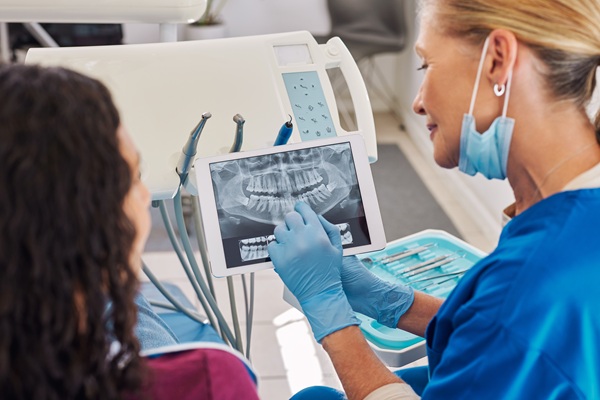
Getting an implant restoration marks a major milestone in a patient's journey toward a fuller smile. It is the final step in replacing teeth with dental implants, topping off these titanium posts with artificial teeth that look and feel natural. Whether you are considering implants or have already finished the healing phase, it is common to feel overwhelmed by the technical details. Feeling confident in the transition from an implant post to a natural-looking tooth that feels like your own starts with learning a few basics.
What is an implant restoration?
An implant restoration refers to the part of a dental implant system that sits above the gumline. This prosthetic may be a dental crown, bridge, or denture, all of which are created to look like natural teeth. While crowns and bridges are also known as dental restorations, they are considered implant restorations in this context because they are placed on implants instead of natural teeth.
Some of the main benefits of an implant restoration include:
- Restoring the appearance of a complete smile after tooth loss
- Improving comfort during chewing and speaking
- Providing stable support without relying on neighboring teeth
- Helping maintain a balanced bite
- Creating a natural-looking result that blends with surrounding teeth
The implant restoration is the final step in the tooth replacement process. For many patients, it not only improves the appearance of the smile but also makes daily life easier and more comfortable.
When can you get implant restorations?
While the initial surgical phase of the dental implant process focuses on the foundation within the jawbone, this restoration stage emphasizes the visible tooth. It begins only after the implant post has successfully fused with the jawbone. Typically, this takes several months. The timing helps ensure that the new tooth (the implant restoration) has a stable base for biting and chewing.
A step-by-step look at what to expect
The journey toward a fuller smile involves several coordinated steps following dental implant surgery. These steps include:
- A dental exam to confirm that the implant has fused with the bone
- The placement of the abutment onto the implant post
- Digital scans or physical impressions of the treated area
- The creation of the implant restoration in a dental lab
- A trial fitting to check the color and shape of the restoration
- The final attachment and adjustment of the replacement tooth
Each phase has a specific purpose that builds upon the success of the previous step. Learn more about the process below.
The abutment
In a dental implant system, the abutment serves as the connecting piece between the hidden implant post in the gums and the visible implant restoration. In other words, this small component secures the new tooth in place and prevents it from shifting during daily use. The dentist attaches the abutment once the implants have fully fused with the jawbone.
Typically, the abutment also helps shape the gums for a more natural appearance. Because the gum tissue settles around the abutment, it helps create a realistic visual transition between the gums and the new tooth. This step helps prevent a fake-looking restoration.
Making the implant restoration
Once the abutments have been placed and the mouth is ready, the dental team begins creating the implant restoration. A dentist takes digital scans or impressions to capture the position of the implant, the shape of the gums, and the way the upper and lower teeth fit together. This information allows the dental lab to design a custom implant restoration that sits securely, feels comfortable, and blends in with the surrounding teeth. Careful planning at this stage helps support both the appearance of the smile and bite function in the long term.
Keep in mind that the dental lab crafts each implant restoration with high-quality materials, such as ceramic or zirconia, that mimic the light-reflecting properties of natural enamel. Every detail, from the shade of the material to the shape of the biting surface, receives careful attention. This attention to detail helps create an implant restoration that looks just like a natural tooth.
The final step: Placing the implant restoration
The patient must return for a final appointment to have the implant restoration placed. The dentist will check the fit and make any necessary adjustments. Again, the goal is a restoration that looks natural, performs well, and feels like a stable part of the smile.
Schedule an appointment
Implant restorations top off dental implants to create a beautiful, fuller smile. Want to learn more? Contact us today for an appointment.
Request an appointment here: https://www.valleyfamilydentalgroup.com or call Valley Family Dental Group at (562) 450-1257 for an appointment in our Downey office.
Check out what others are saying about our dental services on Yelp: Dental Implant Restoration in Downey, CA.
Related Posts
Aftercare and long-term care are vital for maintaining the results if you have recently undergone a dental restoration procedure. Maintaining the results does not have to be difficult; however, you must remain dedicated to caring for your new smile. Following the simple tips below will extend the life of your new dental work.No matter the…
Choosing an extraction over a dental restoration can be easy for some people, especially if the pain is intense. For others, sacrificing a natural tooth would be devastating. Consulting a dentist about the final decision is important. Here are the details on whether the better option is dental restoration or extraction.The dentist can assess the…
A dental restoration can stop the progress of dental problems from decay or injury. Dental fillings can treat mild to moderate cavities. Your dentist will assess your teeth and see how many need fillings. Here are the things to expect before you get this dental restoration.The dentist will examine the patient’s teeth and see how…
Whether you are missing a tooth or have a cracked tooth that needs repair, restorative dentistry can help. This article will discuss some of the most common dental restoration services available today.A tooth-colored filling, also known as composite resin, is made of plastic and can be used to replace decayed areas of teeth. The material…